
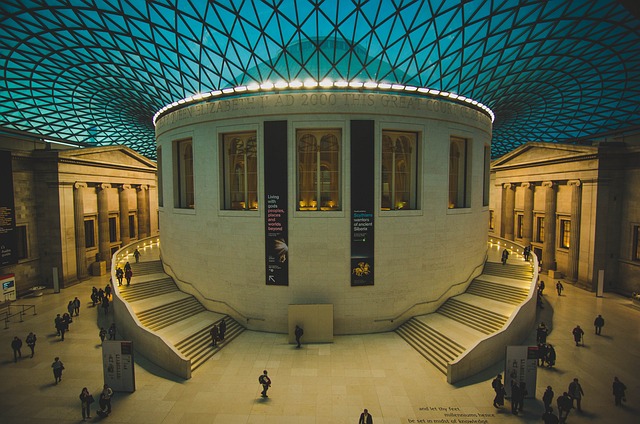
It’s no astonishment that the British Museum has a vast conglomeration of artefacts worldwide ranging from the Indus Valley to Mesopotamian Civilisation. It is a practical history and culture lesson for inquisitive people, such as students, researchers, archaeologists, architects, storytellers, travellers, etc.
I wish I could have visited this museum in my childhood; understanding history would have been so interesting. Or what if these objects were conserved and preserved in a museum in India?
There is a story behind its creation: Sir Hans Sloane, an Irish physician and naturalist, had a substantial collection of 7,1000 objects, including manuscripts, books, specimens, antiques, and paintings. He bartered this collection to the British government in exchange for £20,000, a discounted amount for his heirs. This led to the foundation of an institution with a vision and mission to advance knowledge of the public.
The museum was created through an Act of Parliament in 1753 and became the first free museum opened to the public in 1759. It is also the oldest public museum in the world.
At first, trustees chose to build Buckingham House (now Buckingham Palace), but later, they decided on the Montague House, the current site of the British Museum.
Initially, the museum had manuscripts, books, coins, and antiques, but then it expanded to include objects from Egypt, Greece, Asia, Rome, Africa, and America.
I recently visited the British Museum, and I admire how Britishers preserve their treasures and those of other cultures through their museums, tours, sculptures, monuments, etc. Moreover, there is no entrance fee to visit the British Museum.
The way they have told the backstory of every object in the museum helps visitors get acquainted with a country and its history. I felt more proud of my Indian heritage, art and culture after experiencing its presence in the British Museum. Also, the architectural design of its building is breathtaking.
But let’s address the elephant in the room.

Why Is the British Museum Controversial for Asian Countries?
The British Museum is often criticised in former Asian colonies due to the following reasons:
1. During the British East India Company and Crown rule across Asia, artefacts were frequently taken by them through:
- Looting after wars or rebellions (e.g. Tipu Sultan’s treasures from India)
- Excavations led by colonial archaeologists
- Unbalanced treaties or gifts under pressure
Most objects were not voluntarily given or bought on fair terms, so Asian countries see them as stolen cultural property.
2. Artefacts are displayed outside their cultural, spiritual, or religious context.
Examples:
- Buddhist relics from India and Sri Lanka are considered sacred but are exhibited like trophies.
- Tantric deities have been shown without explanation of their meaning, leading to misunderstanding or exoticisation.
- Hindu idols meant for temple worship are placed behind glass without rituals or respect.
3. Despite formal requests, The British Museum has repeatedly refused to return iconic items. Some examples:
India:
- Amaravati Marbles (Buddhist sculptures)
- Tipu Sultan’s Sword and Ring
- Ancient temple idols taken during 18th–19th centuries
China:
- Bronze mirrors, sculptures, and paintings taken during the Boxer Rebellion (1900) and the Second Opium War
Sri Lanka:
- Sacred Buddhist relics and manuscripts taken during British occupation
British law restricts the museum from giving back most items (the British Museum Act 1963 prevents permanent removal), which has become a source of diplomatic tension.
4. For many in Asia, the British Museum symbolises colonial arrogance because of its continued refusal to admit wrongdoings.
The Asian communities continue campaigning for shared custody, cultural respect and restitution.
How Indian Artefacts Were Taken to the British Museum
1. Colonial Conquest and Looting
During the British colonisation of India (1757–1947), the East India Company and later the British Crown exercised political and military control. Artefacts, treasures, manuscripts, religious idols, and sculptures were frequently looted during wars, annexations, and so-called ” punitive expeditions.”
- Example: After the 1857 Indian Rebellion (First War of Independence), British forces looted many palaces and temples. Items from the Mughal Empire and Rani Laxmibai’s possessions were taken.
- Soldiers and officials often took artefacts as war trophies or souvenirs, later selling or donating them to museums in Britain.
2. Unethical Excavations and Archaeological Seizures
The Britishers established the Archaeological Survey of India (ASI) in the 19th century, which did vital work but was also complicit in removing cultural objects.
- Some artefacts were illegally excavated under colonial rule but were shipped to Britain under imbalanced power dynamics, with India having no say in the matter.
- Temple sculptures, ancient coins, manuscripts, and Buddhist relics were removed, sometimes in bulk, and ended up in private collections or museums abroad.
3. Acquisition through Dubious Donations and Purchases
Many artefacts were gifted or sold to British institutions by colonial officers or local intermediaries under duress or without a complete understanding of their value.
- Some pieces were purchased at low prices from local communities during times of poverty.
- Others were donated by British officials who had acquired them during their service in India.
- Some of the Indian artefacts and other items were showcased in India Museum (opened in London, 1801) and later they were transferred to the British Museum and V&A Museum.
Modern Repatriation Movement
- In the last decade, some museums and collectors have voluntarily repatriated artefacts to India, especially those linked to temple thefts in the 19th century. India’s government and activists increasingly demand the return of heritage items taken during colonial rule.
- The British Museum, however, still holds thousands of Indian objects, many of which are under disputed ethical ownership.
- In the modern repatriation movement, India has demanded the return of artefacts. Many museums, such as the Glasgow Museum, Metropolitan Museum of Art, and Ashmolean Museum, have returned items, especially those looted from temples, but the British Museum hasn’t.
Note: In 2024, the news began circulating that around 2000 objects were stolen from the British Museum over a period of twenty years. Some were damaged, and many gone missing or sold on eBay at low prices. Not sure, how many Indian objects were lost or damaged in this theft.
Notable Indian Artefacts in the British Museum
- The Amravati Marbles are Buddhist sculptures from Andhra Pradesh that were removed in the 19th century. They are kept in Room 33a (South Asia) of the British Museum.
- The Saraswati Idol is a 12th-century statue of the goddess of wisdom and learning from Tamil Nadu.
- Tipu Sultan’s Sword and Ring: Looted after the fall of Srirangapatna in 1799.

- Nandi (Bull Statue): This carved temple sculpture was removed in the 19th century and is now part of the South Asia collections.
- Tantric Ganesha (Odisha, 12th–13th century) is a schist sculpture with multiple heads and arms that reflects esoteric Tantric iconography.
- Kulu Vase (circa 1st century BCE): A bronze Buddhist goblet, one of the earliest decorated metal vessels from the Indian subcontinent. It was found in the Himalayas (Gondla region) in 1857, later donated to the India Museum and moved to the British Museum in 1880.
- Lord Shiva & Parvati Idol: A large schist relief sculpture known as Hara‑Pārvatī (Shiva seated with Parvati on his knee), carved in 12th–13th century Orissa (Odisha).

- Three Idols from Jagannath Puri: Iconic wooden replica idols of Lord Jagannath, Balabhadra, and Subhadra from Jagannath Puri.
- Silver Plate with Ramayana Story: This silver plate from Thanjavur (South India) utilises the repoussé technique, engraving the design into relief from the reverse side.

- Navgraha: These sculptures, often found near the rear entrance, depict the sun, moon, and five planets (Mercury, Venus, Mars, Jupiter, and Saturn), along with the two lunar nodes, Rahu and Ketu.
- Shiva Nataraja (Lord of Cosmic Dance): It’s the dancing form of Lord Shiva. According to records, this legend sculpture was at the temple of Chidambaram in the Tamil country of southern India.
- Harappan Seals from ancient India: Stamp seals (2600-1900 BC) feature inscriptions of the Indus Valley Civilisation with animal symbols. These were acquired from Mohenjo-Daro.
References:
Information taken from the British Museum displays
En.wikipedia.org
Academic.oup.com
Britishmuseum.org
Indiatimes.com
PS: If you want to buy pictures for commercial use, please contact me through email.
Read guides about things to do in London
Leave a Reply